Focused, ergonomic, no bloat
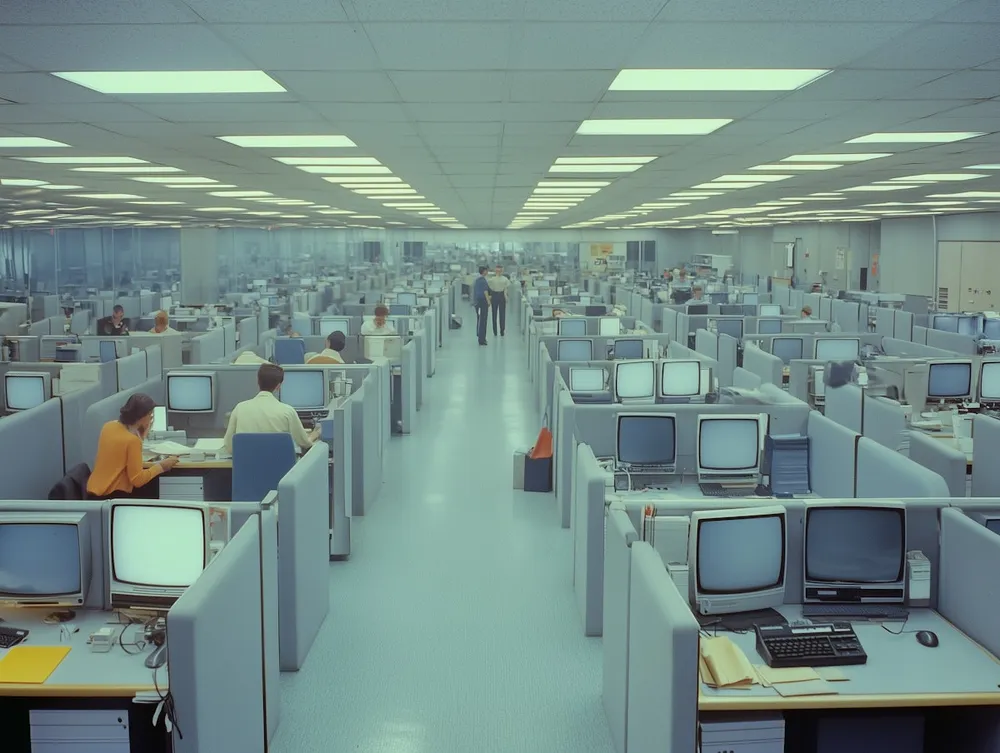
Modern web development is dominated by massive platforms that were once revolutionary but now enforce rigid standards, bloated ecosystems, and recurring costs. In the age of AI and automation, it’s time to challenge some of the dominant models.
The tools we use shape how we think. When they’re slow, opinionated, or overloaded with features we don’t need, they create friction. In our workflows, but also in our capacity to reason about problems clearly.
There’s a growing disconnect between what developers need and what existing platforms deliver. Feature creep has turned essential tools into huge ecosystems that demand more and more of your attention.
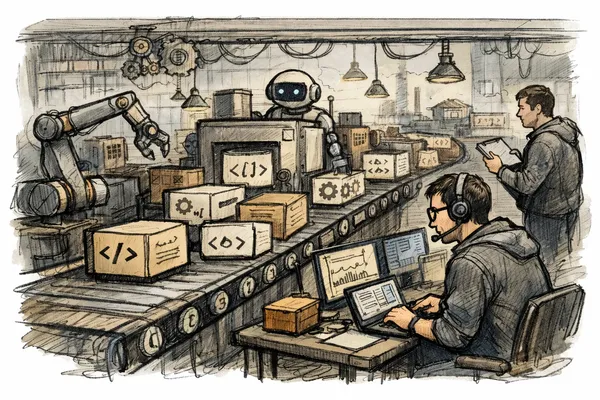
Meanwhile, AI-assisted development is changing how we write, debug, and ship code. Copilots and agents work best with tools that have clear interfaces, predictable behavior, and minimal hidden state. The monoliths of yesterday weren’t designed for this paradigm.
What the next generation should prioritize
- Ergonomics – Fast startup, smooth debugging, low cognitive load. Tools should feel like extensions of thought.
- Specialization – Purpose-built solutions that do one thing well. One-size-fits-all often fits nothing well.
- Intuitiveness – Clean defaults, zero-config options, learning curves that respect your time.
- Composability – Clear APIs that both humans and AI agents can understand and orchestrate.
For the AI-native era, this also means being transparent, stateless where possible, text-friendly, and lightweight.